DESIGNING & EQUIPPING
PREMIER FITNESS SOLUTIONS →
PREMIER FITNESS SOLUTIONS →


Where Strength Takes Shape
|
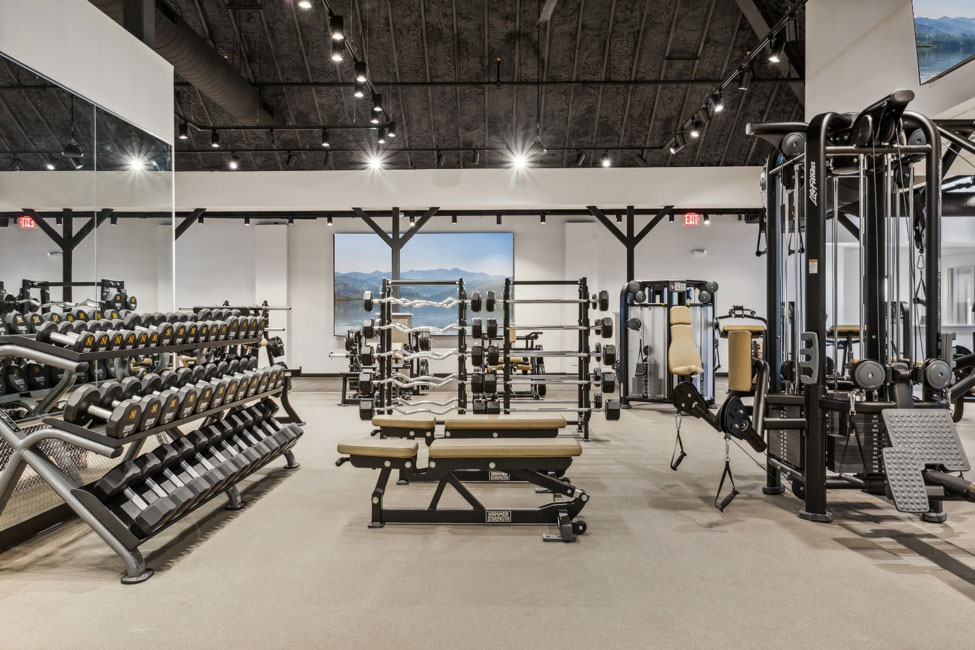
Strength training no longer belongs to one type of exerciser, one generation or one corner of the fitness center. Across today's fitness facilities, strength has become a foundational part of how people train, move and prepare for all types of movement from everyday life to athletic accomplishment. For an athlete, strength may be tied to performance. For a firefighter, it can support the physical demands of the job. For an older adult, it may mean maintaining the confidence and capability to stay active. And for someone walking into their apartment or campus fitness center, it may simply be the enhancement of their fitness routine. The equipment, environment and goals change from space to space. The value of strength does not. |
 |
| Creating Strength Spaces for Different Experiences |
|
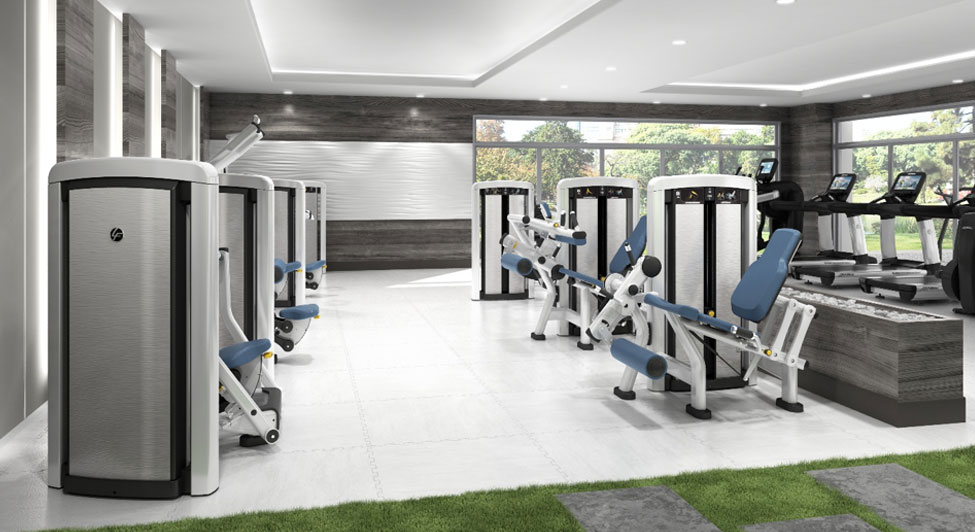
There is no longer one picture of what a strength training space should look like. Today's fitness facilities serve people with different abilities, ages, body types, goals and levels of experience. A thoughtful strength training space can include selectorized strength equipment, free weights, racks, plate-loaded machines, cable training and functional fitness areas, giving users multiple ways to participate and progress. That flexibility is especially important in multifamily fitness centers and student housing amenities. Residents may range from first-time exercisers to experienced lifters, often sharing one relatively compact space. Providing a mix of approachable and progressive strength options helps the fitness center remain useful as residents' training needs evolve. The goal is not simply to fit more equipment into the room. It is to create a fitness environment people want to use and return to regularly. |
 |
| Strength for Everyday Life |
|
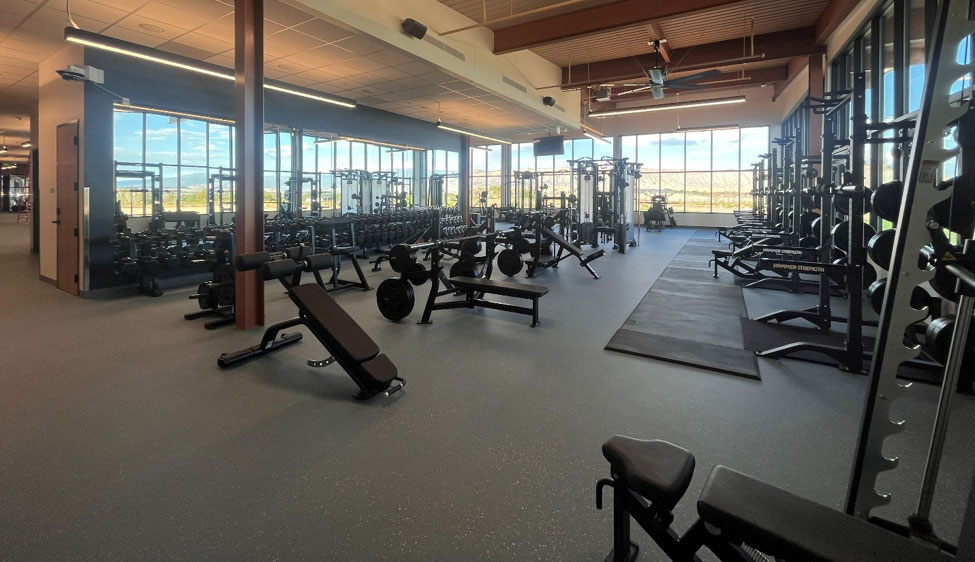
In municipal recreation facilities and active aging communities, strength training takes on an even broader role. Community recreation centers often serve several generations and ability levels under one roof. For some members, strength training is about building targeted muscle groups or personal goals. For others, it supports the movements that make an active lifestyle possible. That makes accessibility and fitness facility design especially important. Intuitive equipment, adjustable positions, clear pathways and a thoughtful combination of strength and functional training can help create an environment that feels welcoming and inspiring rather than intimidating. Strength does not have to look extreme to be meaningful. Sometimes progress is simply being able to move with greater confidence. |
 |
| Training for the Demands of the Job |
|
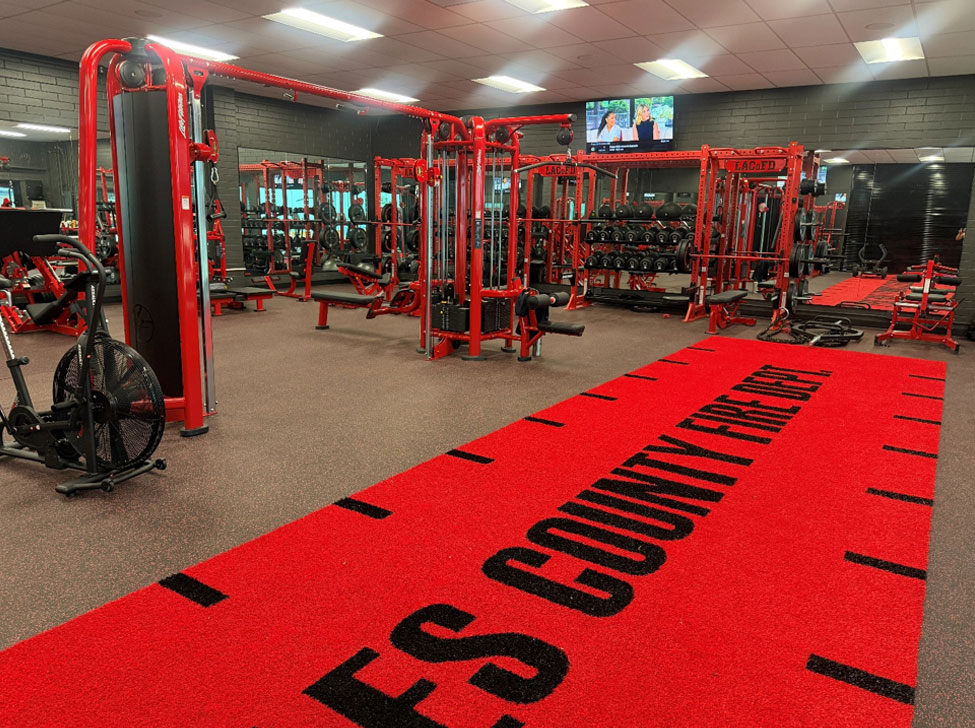
For police departments, fire departments and other first responders, strength serves a different purpose. These professionals may encounter demanding and unpredictable physical situations as part of their work. Their training spaces need to support a wide range of movements and training styles, to help prevent injuries and support rehab when necessary, while also standing up to frequent use. Free weights, racks, functional training equipment, cable systems and traditional strength machines can work together to create a well-rounded first responder fitness environment. The layout should give users the space to move efficiently between exercises and training methods. Here, strength training is not simply another fitness option. It is part of preparing the body for what the job may require. |
 |
| Strength and Athletic Performance |
|
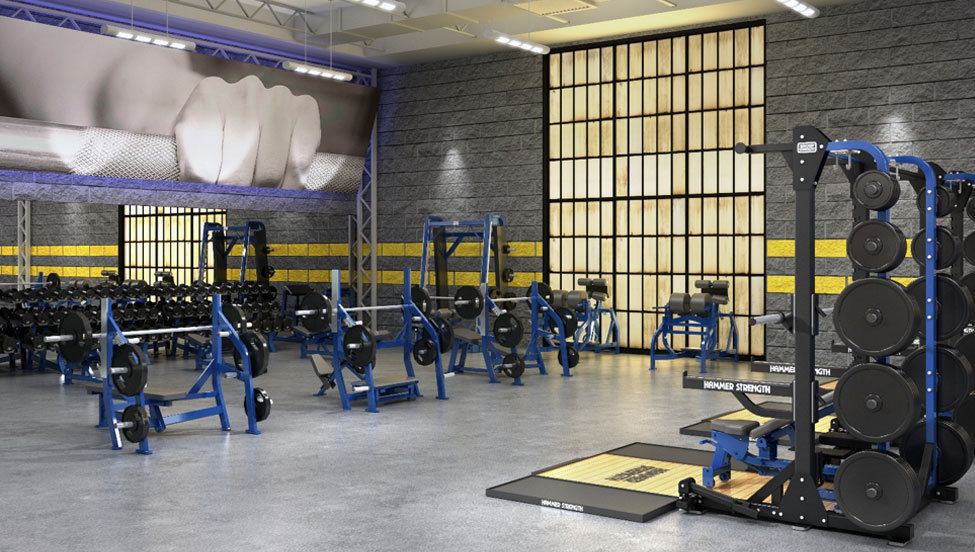
In an athletic performance facility, the connection to targeted strength training is more direct. Strength training helps athletes develop physical qualities that can help improve performance while also helping athletes reduce the risk of injuries and speed return to play, with a successful weight room requiring more versatility than filling the floor with racks and plates. Equipment selection, biomechanics, training flow and facility layout all matter. Coaches need spaces that allow athletes to move efficiently, train individually or in groups and progress through programming without the room becoming the limitation. The best athletic weight rooms are designed around how athletes and coaches will actually use them. |
 |
| Strength Across Campus |
|
That same principle applies to student recreation centers, but with an even wider audience. A university recreation center may serve an experienced lifter, a recreational athlete and a student entering a fitness facility for the first time, all within the same hour. Looking at the full spectrum of strength products from selectorized, to Olympic lifting, free weight, functional and even plate loaded body part training can help put together a comprehensive strength offering. More importantly, making sure everyone has a defined and safe space to train, allowing each student to feel included and supported on their fitness journey are distinct considerations when designing spaces. A strong campus recreation environment does not assume everyone trains the same way. It gives people space to find what works for them. |
| Designing Around the People in the Room |
|
Strength training shows up differently in every market because every facility serves a different community. The right strength space begins with understanding those people: what they need to accomplish, how they move through the facility and how their needs may change over time. From multifamily and student housing to recreation centers, public safety facilities, universities and athletic performance spaces, strength is not defined by one piece of equipment or one style of training. It is the ability to build a space around the people who use it. And that may be the greatest strength of strength training itself. |


